
अमेरिकेचे नवे Tariff Policy हा सध्या जागतिक व्यापार आणि अर्थव्यवस्थेच्या दृष्टीने एक महत्त्वाचा आणि चर्चेचा विषय आहे. हे धोरण विशेषतः डोनाल्ड ट्रम्प यांच्या दुसऱ्या अध्यक्षीय कारकिर्दीत (20 जानेवारी 2025 पासून सुरू झालेल्या) लागू होण्याची शक्यता आहे. या धोरणाचा उद्देश अमेरिकन उत्पादनांना प्रोत्साहन देणे, स्थानिक उद्योगांचे संरक्षण करणे आणि परदेशी आयातीवर नियंत्रण ठेवणे हा आहे. परंतु, याचे परिणाम जागतिक व्यापारावर, विशेषतः भारतासारख्या देशांवर कसे होऊ शकतात, याबाबत सविस्तर चर्चा करूया.
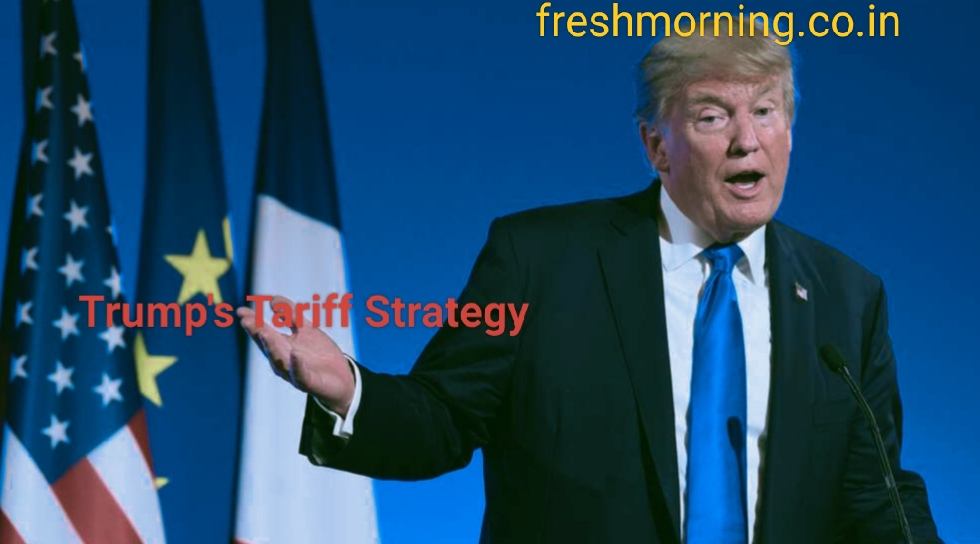
डोनाल्ड ट्रम्प यांनी आपल्या पहिल्या कारकिर्दीत (2017-2021) देखील “अमेरिका फर्स्ट” धोरणाला प्राधान्य दिले होते. त्यावेळी त्यांनी चीन, कॅनडा, मेक्सिको आणि युरोपियन युनियनसारख्या देशांवर मोठ्या प्रमाणात टॅरिफ लादले होते. आता, 2025 मध्ये सत्तेत परतल्यानंतर, त्यांनी पुन्हा एकदा आक्रमकटॅरिफ धोरण स्वीकारले आहे. या धोरणात परदेशातून येणाऱ्या वस्तूंवर 10% ते 25% किंवा त्याहून अधिक टॅरिफ लावण्याचा प्रस्ताव आहे. विशेषतः ऑटोमोबाईल्स, औद्योगिक वस्तू आणि ग्राहकोपयोगी वस्तूंवर हे टॅरिफ केंद्रित आहे.
उदाहरणार्थ, अमेरिकेबाहेर उत्पादित ऑटोमोबाईल्सवर 25% टॅरिफ लादण्याची घोषणा झाली आहे, ज्यामुळे अमेरिकन ऑटो उद्योगाला चालना मिळेल आणि परदेशी कंपन्यांवर दबाव वाढेल. याशिवाय, भारतासारख्या देशांवर “प्रत्युत्तर टॅरिफ ” (Reciprocal Tariffs) लावण्याची घोषणा ट्रम्प यांनी केली आहे.
Tariff Policy चे प्रमुख उद्दिष्ट
1. **अमेरिकन उद्योगांचे संरक्षण**: परदेशी आयातीवर टॅरिफ वाढवून अमेरिकन उत्पादकांना स्पर्धेत टिकण्यास मदत करणे.
2. **रोजगार निर्मिती**: स्थानिक उत्पादनाला प्रोत्साहन देऊन अमेरिकेत नवीन रोजगार संधी निर्माण करणे.
3. **व्यापार संतुलन**: अमेरिकेची व्यापार तूट कमी करणे, विशेषतः चीन आणि इतर देशांसोबत.
4. **महसूल वाढ**: टॅरिफ मधून मिळणाऱ्या उत्पन्नातून (उदा. ऑटो टॅरिफ मधून $100 अब्ज अपेक्षित) सरकारी खर्चाला आधार देणे.
Tariff Policy: भारतावर होणारे परिणाम
भारत आणि अमेरिका यांच्यातील व्यापार हा दोन्ही देशांसाठी महत्त्वाचा आहे. भारत अमेरिकेला फार्मास्युटिकल्स, टेक्सटाइल्स, माहिती तंत्रज्ञान सेवा आणि ऑटो पार्ट्स यासारख्या वस्तूंची मोठ्या प्रमाणात निर्यात करतो. नव्या टॅरिफ धोरणामुळे भारतावर खालील परिणाम होऊ शकतात:
1. **निर्यातीत अडचणी**: अमेरिकेत भारतीय वस्तूंवर टॅरिफ वाढल्यास त्यांची किंमत वाढेल, ज्यामुळे मागणी कमी होऊ शकते. विशेषतः फार्मास्युटिकल उद्योगाला याचा फटका बसू शकतो, कारण अमेरिका ही भारताची सर्वात मोठी औषध निर्यात बाजारपेठ आहे.
2. **प्रत्युत्तर टॅरिफ चा धोका**: भारताने जर अमेरिकन वस्तूंवर टॅरिफ वाढवले, तर दोन्ही देशांमधील व्यापार युद्ध तीव्र होऊ शकते. यामुळे अमेरिकेतून येणाऱ्या इलेक्ट्रॉनिक्स, तंत्रज्ञान आणि लक्झरी वस्तू भारतीय ग्राहकांसाठी महाग होऊ शकतात.
3. **स्पर्धात्मक बाजार**: टॅरिफ मुळे भारतीय निर्यातदारांना अमेरिकन बाजारात टिकण्यासाठी किंमती कमी कराव्या लागतील, ज्यामुळे नफ्याचे मार्जिन कमी होईल.
4. **सकारात्मक बाजू**: काही तज्ज्ञांचे मत आहे की, भारताला अमेरिकेशी व्यापार करार करण्याची संधी मिळू शकते, ज्यामुळे टेरिफचा प्रभाव कमी होईल आणि दीर्घकालीन फायदा होईल.
Tariff Policy: जागतिक व्यापारावर परिणाम–
**चीनवर दबाव**: चीन हा अमेरिकेचा सर्वात मोठा व्यापारी भागीदार आहे. नव्या टॅरिफ मुळे चिनी वस्तूंवर मोठा परिणाम होईल, आणि चीन प्रत्युत्तर म्हणून आपले धोरण बदलू शकतो.
– **कॅनडा आणि मेक्सिको**: या देशांमधून येणाऱ्या फळे, भाज्या आणि इतर वस्तूंवर 25% टॅरिफ लादल्याने अमेरिकन ग्राहकांना जास्त किंमत मोजावी लागेल.
– **पुरवठा साखळीवर ताण**: जागतिक पुरवठा साखळी प्रभावित होऊन उत्पादन खर्च वाढू शकतो, ज्याचा परिणाम महागाईवर होईल.
टीका आणि समर्थन
– **समर्थन**: ट्रम्प समर्थकांचे म्हणणे आहे की हे धोरण “मेड इन अमेरिका” ला प्रोत्साहन देईल आणि अमेरिकन अर्थव्यवस्थेला बळकटी देईल.
– **टीका**: अर्थतज्ज्ञ आणि जागतिक व्यापार संघटनांचे मत आहे की यामुळे महागाई वाढेल, ग्राहकांना नुकसान होईल आणि जागतिक व्यापारात अस्थिरता येईल. काहींनी याला “आर्थिक तानाशाही” असेही संबोधले आहे.
निष्कर्ष
अमेरिकेचे नवे Tariff Policy हे एक धाडसी पाऊल आहे, ज्याचे फायदे आणि तोटे दोन्ही आहेत. भारतासारख्या देशांसाठी हे आव्हानात्मक असले तरी योग्य धोरण आणि व्यापार करारांद्वारे याचा सामना करता येऊ शकतो. जागतिक स्तरावर, हे धोरण व्यापार संतुलन आणि आर्थिक स्थिरतेवर कसा परिणाम करेल, हे पाहणे महत्त्वाचे ठरेल. सध्याच्या घडीला, हे धोरण 2 एप्रिल 2025 पासून लागू होण्याची शक्यता असून, त्याचे प्रत्यक्ष परिणाम येत्या काही महिन्यांत स्पष्ट होतील.
SEE TRANSLATION:
The new tariff policy of the United States is currently an important and hot topic in terms of global trade and economy. This policy is likely to be implemented especially during Donald Trump’s second presidential term (starting from January 20, 2025). The aim of this policy is to promote American products, protect domestic industries and control foreign imports. However, let’s discuss in detail how this could affect global trade, especially on countries like India.
Background of the new tariff policy
Donald Trump had also prioritized the “America First” policy during his first term (2017-2021). At that time, he imposed large-scale tariffs on countries like China, Canada, Mexico and the European Union. Now, after returning to power in 2025, he has once again adopted an aggressive tariff policy. This policy proposes to impose tariffs of 10% to 25% or more on goods coming from abroad. The tariffs are particularly focused on automobiles, industrial goods, and consumer goods.
For example, a 25% tariff on automobiles manufactured outside the United States has been announced, which will boost the American auto industry and increase pressure on foreign companies. In addition, Trump has announced the imposition of “reciprocal tariffs” on countries such as India.
Tariff Policy: Key objectives of the policy
1. **Protect American industries**: Help American manufacturers compete by raising tariffs on foreign imports.
2. **Job creation**: Create new jobs in the United States by encouraging domestic manufacturing.
3. **Trade balance**: Reduce the United States’ trade deficit, especially with China and other countries.
4. **Revenue raising**: Use the revenue from tariffs (e.g., the expected $100 billion from auto tariffs) to support government spending.
Tariff Policy: Impact on India
Trade between India and the US is important for both countries. India exports a large amount of goods to the US, such as pharmaceuticals, textiles, IT services and auto parts. The new tariff policy may have the following impacts on India:
1. **Export constraints**: If tariffs are increased on Indian goods in the US, their prices will increase, which may reduce demand. This could particularly hit the pharmaceutical industry, as the US is India’s largest export market for pharmaceuticals.
2. **Risk of retaliatory tariffs**: If India increases tariffs on US goods, the trade war between the two countries could intensify. This could make electronics, technology and luxury goods from the US more expensive for Indian consumers.
3. **Competitive markets**: Tariffs will force Indian exporters to lower prices to compete in the US market, which will reduce profit margins.
4. **Positive side**: Some experts believe that India may have an opportunity to sign a trade deal with the US, which will reduce the impact of tariffs and will benefit in the long run.
Tariff Policy: Impact on global trade
– **Pressure on China**: China is America’s largest trading partner. The new tariffs will have a major impact on Chinese goods, and China may change its policy in response.
– **Canada and Mexico**: The imposition of 25% tariffs on fruits, vegetables and other goods coming from these countries will mean that American consumers will have to pay more.
– **Stress on supply chain**: The global supply chain may be affected, increasing production costs, which will have an impact on inflation.
Criticism and support
– **Support**: Trump supporters say that this policy will promote “Made in America” and strengthen the US economy.
– **Criticism**: Economists and the World Trade Organization believe that this will increase inflation, harm consumers and destabilize global trade. Some have even called it “economic tyranny.”
Conclusion
The new US tariff policy is a bold move, with both advantages and disadvantages. While it is challenging for countries like India, it can be countered with the right policies and trade agreements. Globally, it will be important to see how this policy will affect trade balance and economic stability. At present, this policy is likely to be implemented from April 2, 2025, and its direct effects will be evident in the coming months.
1 thought on “Tariff Policy:”अमेरिकेचे नवे टॅरिफ धोरण:जागतिक व्यापारावर परिणाम “”